Why I Started
I’ve always been curious about how things work. Often I find myself getting into too many hobbies, sometimes only to discard them later.
I spend a lot of time with my kids. I think I enjoy just walking around and sharing life with them.
One day, we walked into a downtown shop and my daughter happened upon a pair of “Bird-watching Binoculars”. They were packaged in some cute cardboard and blister packaging. It came with a set of binoculars (4 X 25), a set of bird cards, and a nylon bag.
Ooh! Ooh! Me Too!
Like I said, I love taking part in a fun activity as well. I especially love encouraging fun that can help my children develop new skills or learn more about the world. Pretty soon, I was deeper into birds than my daughter.
It is good to take your time getting set up. Luckily, the Barnes and Noble in Cheyenne had some decent bird books. Most of them advised me of the right kinds of binoculars to get (8 X 45 or something like it).
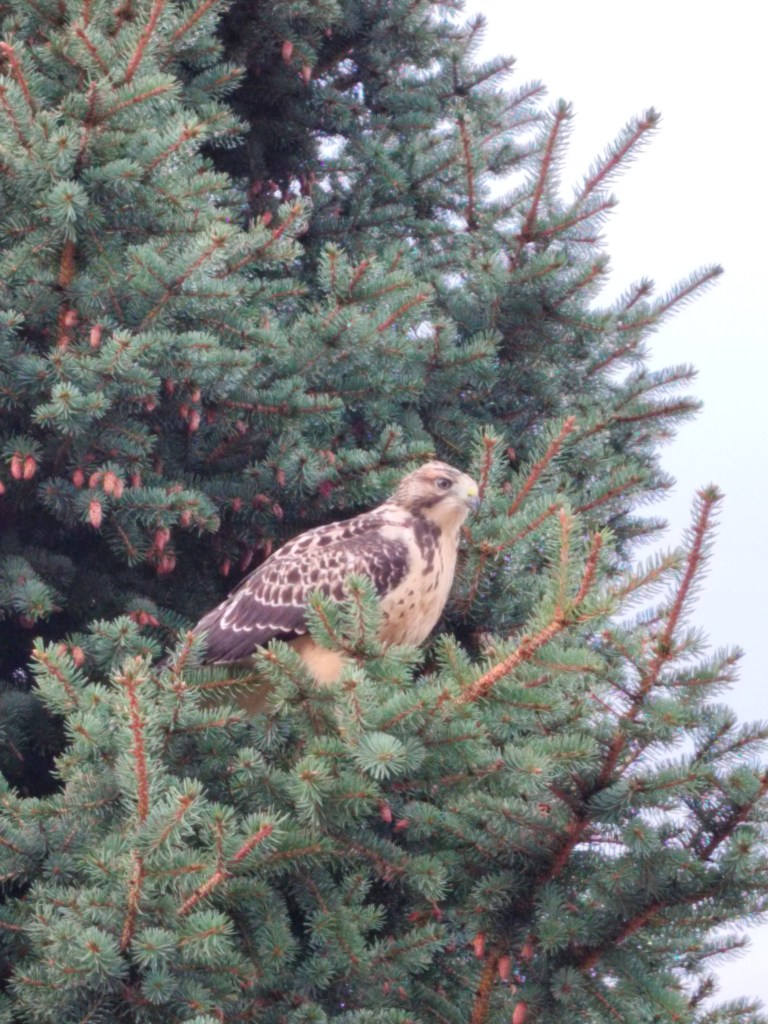
Advanced cameras are another aspect of birding that is worth discussing, but I will leave that for another time. For a while, I did just fine by lining up my phone with one of my binocular lenses. Sometimes though, depending on the species, they would just pose for me and wouldn’t run off when I approached.
Learning about Birds
Of course, you can buy all the equipment in the world and not know how to use it very well.
Your path may vary, but for me I feel best learning the whole system of birds. You can try to learn all of the birds one by one. Personally, I think it is much easier to learn the broad strokes of the bird kingdom and then get more specific as you get used to all the types of birds.
For this, it is best to pick up a good, comprehensive bird book from either your library, or if you are ready for the commitment, from your local bookstore. Diving into a real hearty tome can teach you about convergence, which is an theory in ornithology which suggests that environmental factors naturally selected birds in such a way that different kinds of bird ancestors evolved to fit specific roles. In this way Eurasian vultures and American vultures come from very different heritage. Eurasian vultures are more closely related to raptors, while American vultures are more closely related to storks. Wild!
I finally got my camera and had the temerity to start shooting in manual mode!
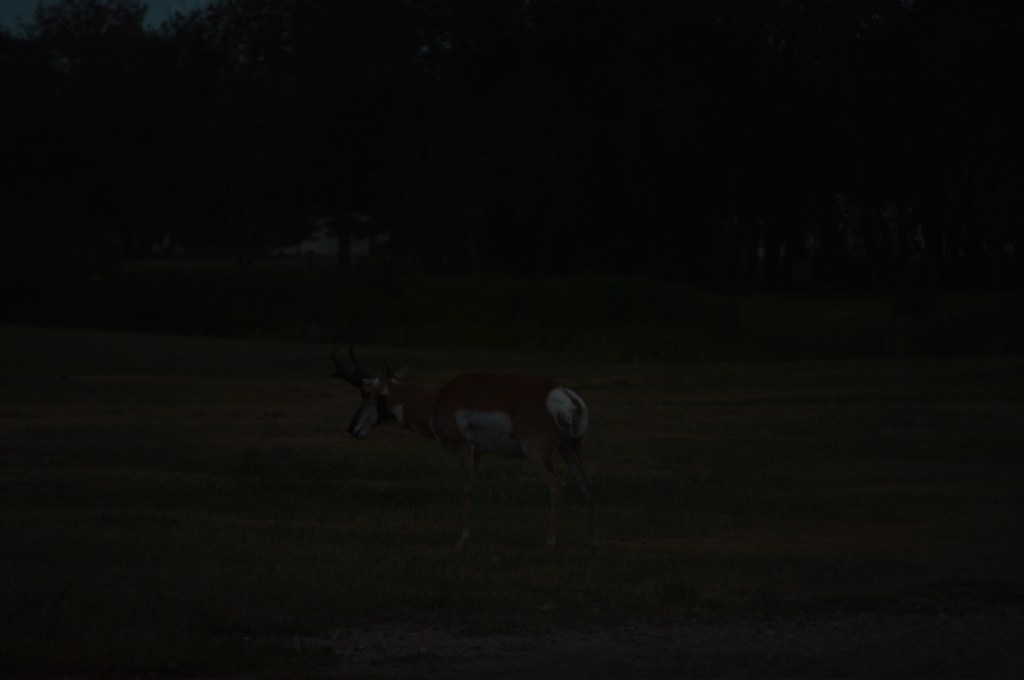
Me using ISO 100 and a high shutter speed (1/4000″) to capture a Pronghorn Antelope on a cloudy day.
Luckily, I started noticing how bad my photos were turning out. I decided to go to Automatic mode to get at least some good photos.
The next day was misty like the beach. And thus, I was able to find a Double Crested Cormorant!
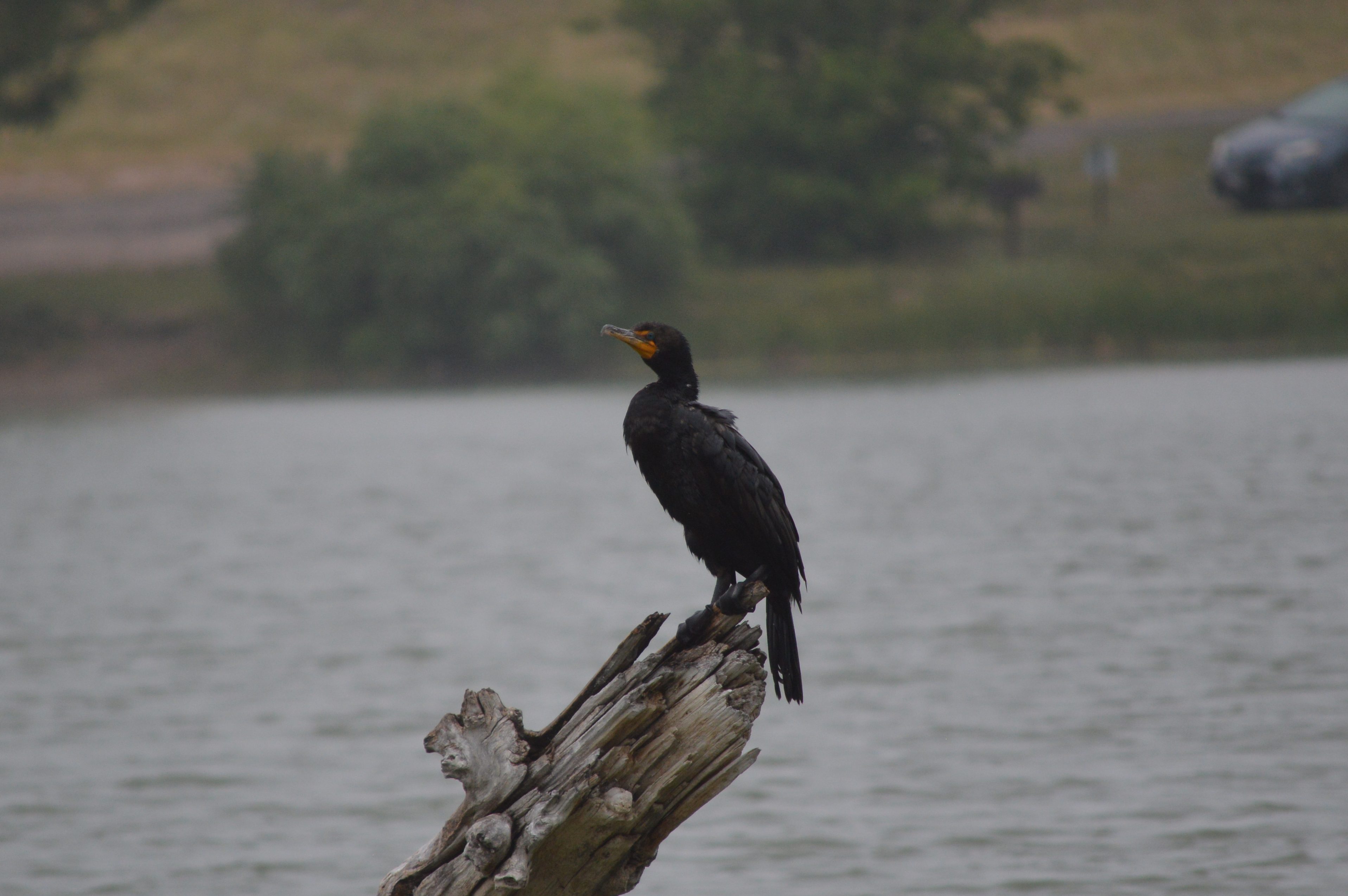
This was quite the exciting find compared to my usual backyard fare of Eurasian-collared Doves (boring!).
I will have to of course git gud at using my new DSLR camera.
 Austin McKenzie